Emergency Roof Repair in San Jose, CA
South Bay Roofing CO answers emergency roof repair calls by getting a tarp on the roof and stopping the water, not by starting a sales pitch. We cover the leak first, check the deck, and then tell you honestly whether a repair holds or the roof is finished. Call 5103278325 and describe what you are seeing from the ground.
Call 5103278325What Emergency Roof Repair Stops Before It Spreads
Emergency roof repair stops an active leak from reaching your ceiling, insulation, or framing. Water seeps through a lifted shingle, wicks along the decking, and drips out wherever it finds a seam. Speed matters more than a perfect finish on the first visit.
- Wind-lifted shingles and missing field course pieces leave bare underlayment open to the next rain band.
- Ponding water on a flat membrane or built-up roof adds weight and hunts down every failed lap seam.
- Granule loss and end-of-life wear turn an asphalt shingle brittle, so it cracks instead of flexing.
- Rot and decay in the roof deck, plywood, or OSB sheathing spread once the moisture content climbs.
- Sag and settle show up at the ridge beam or truss after a leak has been running for weeks.
- Failed flashing at the chimney, pipe boot, or valley sends water straight down the roof deck.
Roof Repair Materials We Carry on the Truck
We stock the pieces that fail most often, so a repair does not wait on a supply run. Here is what rides along on a storm call.
- Asphalt shingle bundles in architectural shingle and three-tab profiles, matched to your existing color.
- Wood shake and cedar shake for the older shake rooftops we still service and maintain.
- Slate, clay tile, and concrete tile for tile roofing, where a cracked piece needs a careful swap.
- Metal panel, standing-seam panel, and corrugated panel sections for fastener and seam damage on metal roofing.
- TPO, EPDM, and PVC membrane material for the flat and low-slope sections of commercial roofing.
- Modified bitumen and torch-down sheets where a built-up roof needs a repair coat.
- Roofing felt, tar paper, and synthetic underlayment for the layer that sits under the new field course.
- Ice-and-water shield, sealant, caulk, mastic, and roof cement for all the details people forget to check.
Warning Signs That Mean You Should Call Tonight
Most calls start with something small and get worse by morning. If you spot any of these, ring us before you climb anything.
- Brown rings on the ceiling or a bulge in the paint, which means water already reached the drywall.
- A drip you can hear in the attic, usually tracking from a vent flashing or counter-flashing gap.
- A shingle in the yard after wind, especially along the rake or eave where wind uplift is strongest.
- Water sheeting off the fascia because the gutter or downspout is clogged with debris.
- Moss or algae on a shaded slope, which our low humidity slows but does not stop.
- An ice dam forming at the eave after a cold night, pushing meltwater back under the courses.
- Blistering, peeling, or delamination on a flat roof, often with ponding water sitting nearby.
- Granule loss piling up in the gutter, which is end-of-life wear showing up in the shingle.
Emergency Roof Repair, Step by Step
Emergency response is a sequence, and skipping a step costs you later. Here is how a call to 5103278325 usually runs.
- We ask four questions first: where the water shows, when it started, how old the roof is, and whether anyone has been in the attic.
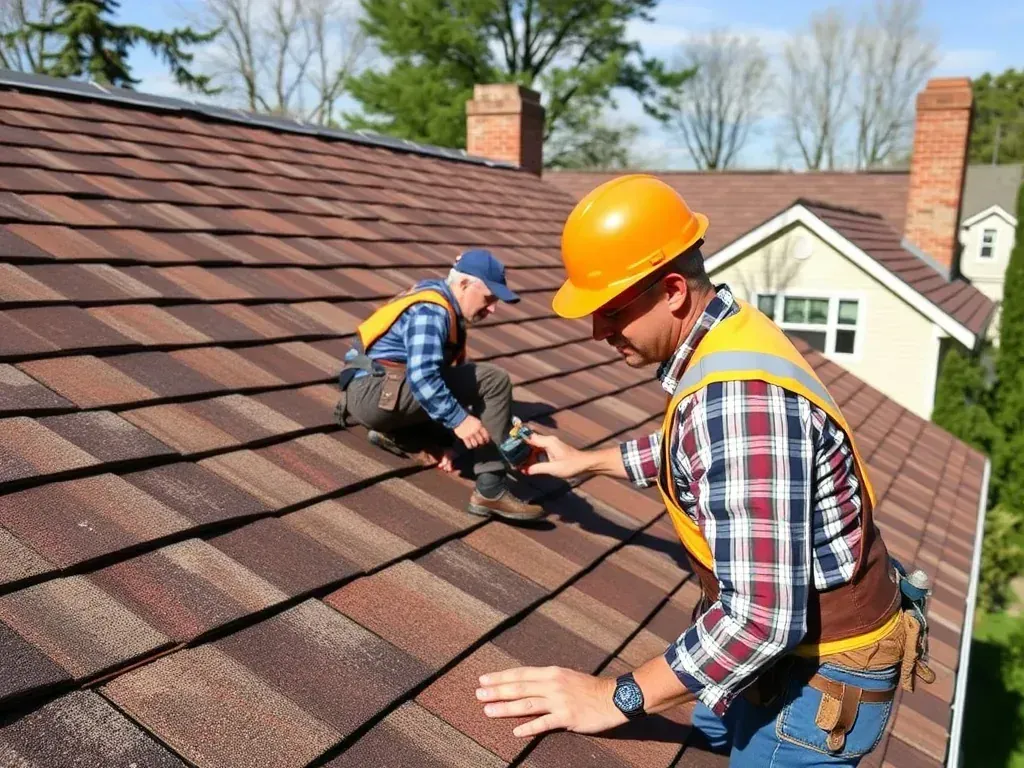
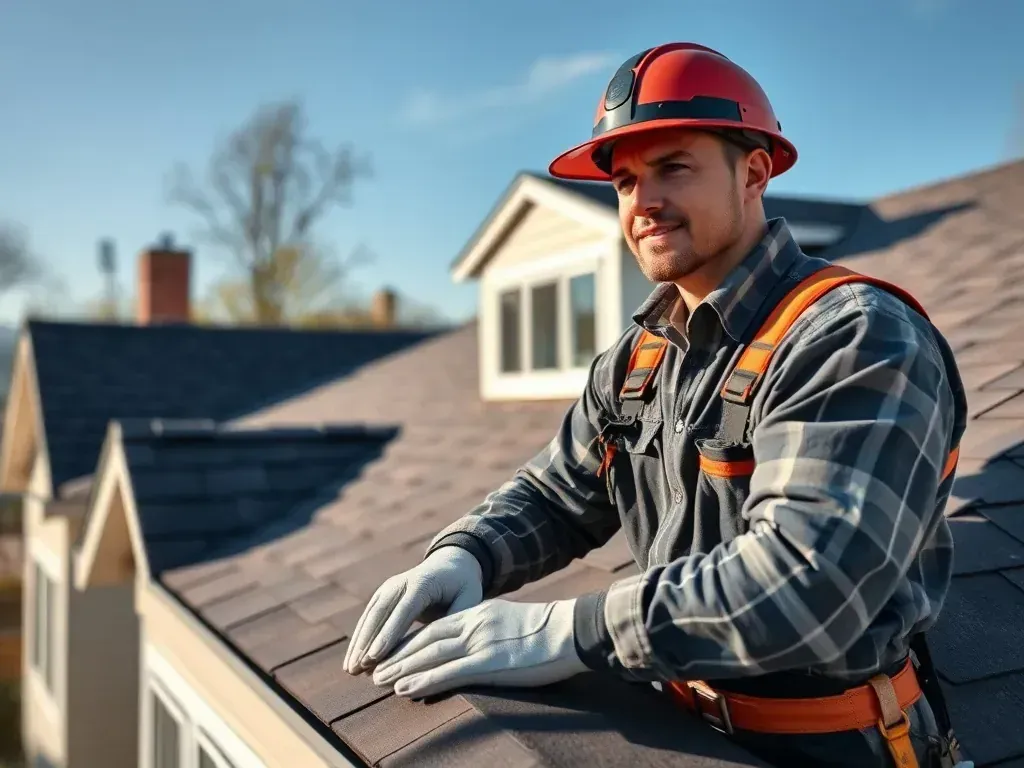
- On arrival we set a ladder and scaffold, clip on a safety harness, and photograph everything we find up top.
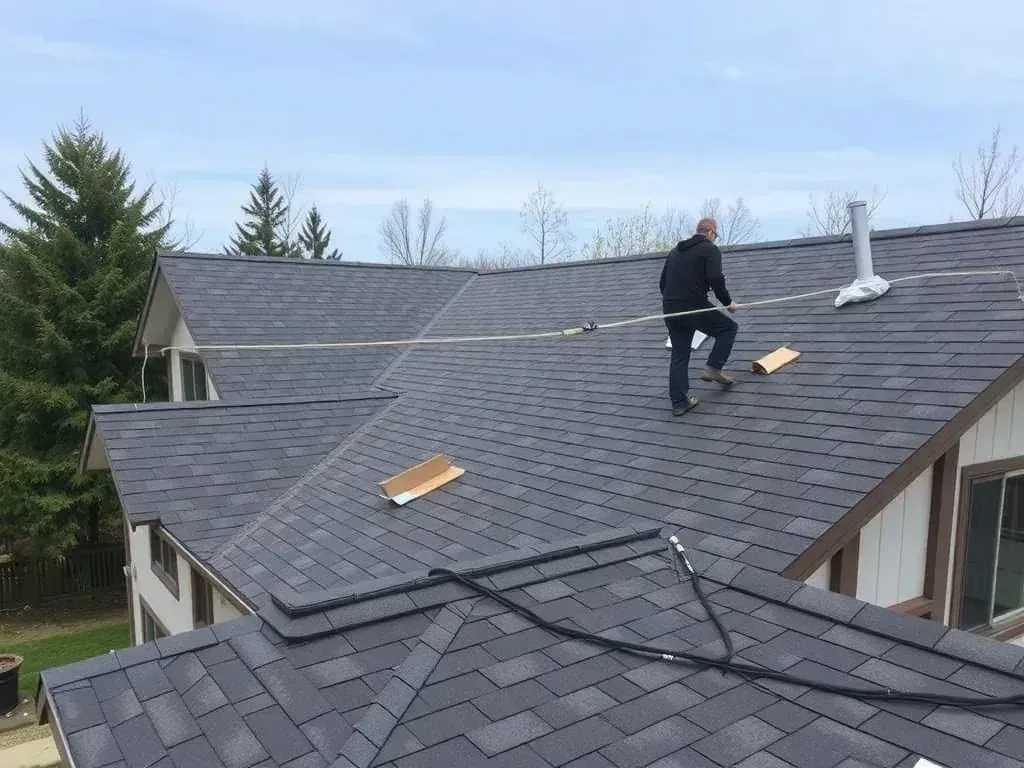
- We clear debris from the valley and eave, then lay an emergency tarp or a self-adhered sheet over the open area.
- We make the hold stick by resealing joints, driving ring-shank nails where fasteners pulled, and re-securing a loose pipe boot or boot flashing.
- We hand you a roof estimate as a line-item list, plus photos and a storm date for your insurer.
- We schedule the permanent work: replacement shingles, fresh underlayment, drip edge, and step flashing, then haul the dumpster away.
What This Work Costs in the South Bay Market
Cost tracks access, roof pitch, and how much decking has gone soft. These are the ranges we typically quote on a storm call.
- A tarp and stabilization usually runs $450 to $900, depending on pitch and how much debris must come off.
- Swapping a handful of shingles with matching three-tab or architectural shingle lands around $350 to $750.
- Flashing work at a chimney flashing, apron flashing, or skylight commonly falls between $500 and $1,400.
- A flat-section patch in modified bitumen or PVC membrane typically runs $800 to $2,200.
- Deck replacement where rot reached the sheathing adds $150 to $400 per roofing square.
- A full roof replacement, when inspection shows a systemic leak, starts near $12,000 and climbs with tile or slate.
We give a free estimate and a written scope before you commit to anything. If a patch will honestly hold, we say so instead of selling a replacement.
Storm Damage, Insurance Claims, and the Paperwork
Storm damage claims move faster when the paperwork matches what is on the roof. We photograph the damage with a tape measure in frame, record the storm date, and build a line-item estimate that lines up with your insurance scope.
We will meet the adjuster inspection on the roof if you want us there. If hidden rot turns up after tear-off, we file a supplemental claim and help with the proof of loss form and any claim deadline. We do not inflate a claim.
What We Inspect on Every Roof Repair Call
Every rooftop is a stack of layers, and one failed layer ruins the ones below it. Here is the order we walk them.
- A soffit or fascia board carries the eave, and rot there usually means a gutter has been overflowing for a season.
- The ridge cap and ridge vent sit at the top, where wind uplift pries the first course loose.
- A pipe flashing or vent boot around a plumbing stack cracks long before the shingle field shows any wear.
- A skylight or dormer adds a seam, and the step flashing and counter-flashing around it is a common leak path.
- A gable, hip, mansard, or gambrel roofline changes pitch quickly, and each transition needs its own flashing detail.
- A parapet or scupper holds water against a wall, so coping and membrane seams get checked twice.
- A canopy, awning, or wide overhang should shed water away from the wall instead of letting it wick back in.
- Snow guard and anchor points matter on the higher slopes, where a cold night builds an ice dam at the eave.
The Tools and Layers Under the Shingle
Waterproofing and weatherproofing come down to the boring layers nobody sees. Here is what goes into a permanent fix once the storm passes.
- A roofing square, pry bar, and roofing shovel pull old shingle and felt without gouging the decking.
- A nail gun and air compressor drive fasteners at the right depth, since an overdriven nail tears the mat.
- Ring-shank nails and screws hold where a smooth shank pulls out, and adhesive or coating seals the heads.
- Synthetic underlayment or tar paper goes over the substrate, with ice-and-water shield along the eave and valley.
- A vapor barrier and insulation belong under the deck, and a gap there shows up as condensation on a rafter or joist.
- Plywood or OSB sheathing replaces soft decking, cut to fit around the purlin and truss layout.
- On tile, batten and counterbatten strips create an air gap, and a standing-seam panel sits on clips.
- Tar, pitch, bitumen, and asphalt-based roof cement are old materials we still meet on aging local homes.
Roof Repair or Full Replacement: How We Decide
A repair mends the damage and keeps the existing roof. A recover or overlay adds a layer on top when the deck is still solid, though an overlay can hide rot and may void a manufacturer warranty. A full tear-off is the honest answer when decay runs across whole slopes.
A proper install starts with a starter course at the eave and runs staggered courses up the field so joints never line up. We hold that standard whether we refit one slope or renovate the whole roof.
We are a licensed roofing contractor and roofer, not a storm chaser. We are also licensed and insured, and we will tell you when the answer is a few hundred dollars of repair instead of a new roof.
Questions We Hear on Emergency Calls
What is emergency roof repair?
Emergency roof repair is the work of stopping active water intrusion fast, usually with a tarp or a self-adhered patch, then returning for a permanent fix. It protects the deck, insulation, and interior until the weather clears and materials arrive. A tarp is the hold; the GAF-certified permanent repair follows.
How quickly can you reach a leaking roof?
Emergency roof repair timing depends on how many calls come in during one storm. We give you an honest arrival window on the phone instead of a promise we cannot keep.
Can you fix my roof instead of replacing it?
Roof repair makes sense when the failure is local and the shingle field is still sound. If a roof inspection shows granule loss across whole slopes or rot in the sheathing, a patch only buys time.
Do you work on tile, slate, and metal roofs?
Roof repair on tile, clay tile, concrete tile, slate, and standing-seam panel takes a gentler touch, since a cracked piece is costly to match. We walk those roofs on the batten instead of stepping on the field.
Will you help with the insurance claim?
Storm damage repair claims go smoother when the roofer documents the damage before the adjuster arrives. We photograph the flashing, gutter, and fascia, then hand you a roof estimate you can submit.
What's Included
- Same-day emergency tarping and temporary waterproofing over the open leak area, with photos taken before and after.
- A full roof inspection of the flashing, underlayment, decking, and gutter when we are already on the roof.
- Replacement shingles matched in profile and color, installed with ring-shank nails and a sealed starter course.
- Flashing repair at the chimney flashing, pipe boot, drip edge, and step flashing, sealed with fresh caulk and roof cement.
- Deck repair where rot or decay reached the plywood, OSB, or sheathing, cut out and replaced before the new layer goes down.
- Debris removal from the valley, eave, and gutter, plus a dumpster for the tear-off material.
- A written line-item estimate and photos formatted for an insurance claim, plus help with the proof of loss form.
- Cleanup, a magnet sweep for nails and fasteners, and a walkthrough of what we did and what to watch next.
Our Emergency Roof Repair Process
- Call 5103278325 and tell us where the water is showing inside, when it started, and how old the roof is.
- We arrive, set a ladder and scaffold, clip on a safety harness, and inspect the vent boot, chimney flashing, valley, and drip edge for the source.
- We clear debris and standing water, then install an emergency tarp or self-adhered sheet so the leak stops that night.
- We reseal penetrations, reset loose fasteners with ring-shank nails, and confirm the hold before we leave the property.
- We email a line-item roof estimate with photos and a storm date so your insurance scope matches what we found.
- We return with replacement shingles, underlayment, and flashing to complete the permanent repair, then haul the dumpster and sweep the yard.
Signs You Need Emergency Roof Repair
Signs a San Jose Home Needs Emergency Roof Repair
- A ceiling stain or dripping light fixture, which means water already passed the underlayment and the decking.
- A missing shingle on the lawn after a winter rain storm, leaving bare felt and plywood exposed.
- Water running down the fascia instead of into the gutter, which points to a clogged downspout or a sagging run.
- Curling, cracking, or granule loss on the field course, the classic end-of-life wear pattern in intense sun.
- Blisters, peeling, or delamination on a flat membrane roof, often with ponding water sitting on top.
- Moss or algae spreading on a shaded slope, which our low summer humidity slows but never fully prevents.
- An ice dam or a ridge of ice at the eave after a cold snap, pushing meltwater back under the shingles.
- A soft spot underfoot on the roof, which usually means rot has reached the sheathing and joists.
Don't just take our word for it — hear from our satisfied customers.
"Water was running down the inside of the wall at 9 p.m. They tarped the valley that night and came back Thursday with replacement shingles and new step flashing. The gutter and fascia were fine, and they told us so instead of upselling." — Maria R., Willow Glen
"A branch took out three shingles near the ridge vent. They matched the architectural shingle, replaced the underlayment under it, and walked the whole roof with us afterward. Honest about what did not need work." — Daniel K., Almaden Valley
"Our flat section was ponding and the coating had flaked off completely. They patched the PVC membrane, photographed everything for our claim, and met the adjuster on the roof. No drama, no surprise numbers." — Priya S., Downtown San Jose
Ready to get started? Call us today at 5103278325 for a free estimate.
Free estimates · Licensed & Insured certified · up to 50-year warranty
Call 5103278325