Tile Roofing in San Jose, CA
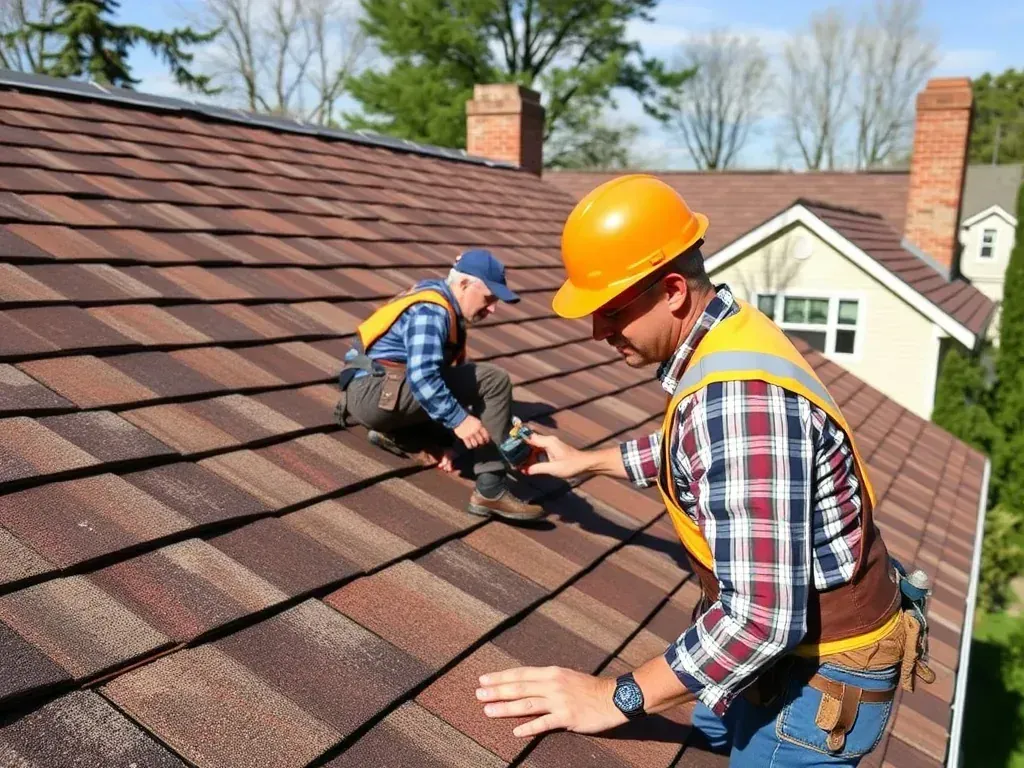
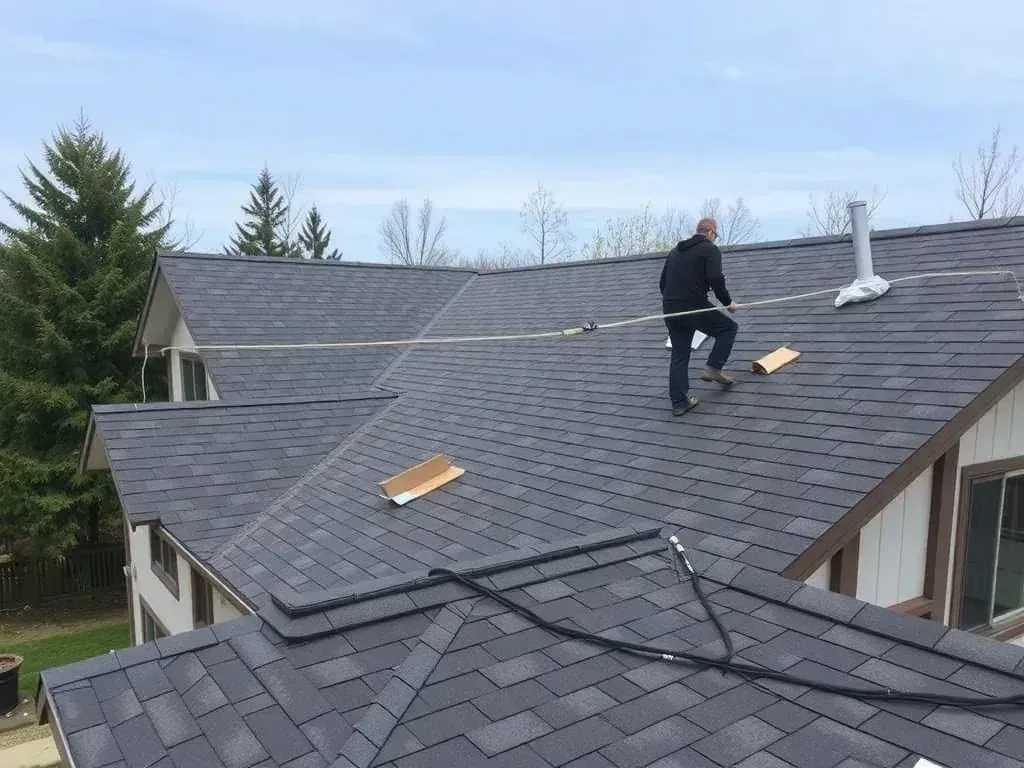
South Bay Roofing CO repairs and replaces tile roofing in San Jose, and we start by finding the cracked or slipped tiles that let water past your underlayment. Call us at 5103278325 and we will walk the roof, photograph what we find, and tell you straight whether a repair holds or a whole field needs replacing. We are licensed and insured, so you know exactly who is on your rooftop.
Call 5103278325What Tile Roofing Involves on a San Jose Home
Tile roofing is a layered system, and the tile you see is only the top layer. Tiles shed most of the rain, while underlayment, flashing, and battens handle water that drives sideways in wind.
On most South Bay homes, the tile field sits on battens over a counterbatten grid that lifts tile off the substrate so the roof can breathe. That gap matters after months of dry, intense sun followed by winter rain storms.
Tile Materials and Roofing Systems We Work With
Tile roofing covers more than clay. Here is the range we mend, refit, and replace, plus what each material asks of your roof structure.
- Clay tile and barrel clay tile hold their color through decades of hard sun, but they chip if someone walks them wrong.
- Concrete tile, including flat concrete profiles and Mission-style S-tiles, is heavier, so we check the truss and ridge beam first.
- Slate is a natural stone option for steep pitches, and it outlasts nearly everything else on the roof.
- Wood shake and cedar shake weather to a soft gray, though they ask for more maintenance and some fire thinking.
- Synthetic tile mimics clay and concrete profiles at a lighter weight per square, which helps older framing.
- Asphalt shingle, whether architectural shingle or three-tab shingle from GAF, Owens Corning, or CertainTeed, still fits garages and shaded additions.
- Metal panel, standing-seam panel, and corrugated panel work well on low-slope sections, patio covers, and canopies.
- Membrane systems such as TPO, EPDM, and PVC membrane tie a flat roof into the tile field without a transition leak.
The Components Underneath Matter More Than the Tile
Underlayment is the real waterproofing on a tile roof. When it reaches end-of-life wear, the tile can look fine while water dribbles onto the roof deck.
- Synthetic underlayment and traditional felt or tar paper both work; the grade and the laps decide how long they last.
- Ice-and-water shield runs along eaves and valleys, where wind-driven rain and ice dam conditions push water uphill.
- Battens and counterbattens hold tile off the substrate and let the roof dry after a storm.
- Step flashing, counter-flashing, and chimney flashing seal the joints where the roof meets a wall or a chimney.
- Pipe flashing and a pipe boot seal plumbing vents; that rubber boot usually cracks before the tile does.
- Drip edge, ridge cap, ridge vent, and soffit vent push water off the fascia and keep the attic moving air.
- Roof cement, mastic, and a matching sealant handle small breaks and re-set loose pieces between courses.
Roof Shapes, Edges, and Details We Plan For
- A hip or gable roof changes how we stage tile, because each plane needs its own starter course at the eave.
- Valleys collect leaves and grit, so we clean them by hand and relay tile over fresh underlayment.
- Dormers and skylights break up the field, and those cut edges are where apron flashing and boot flashing do the work.
- Rakes, verges, and overhangs take wind first, so we check the fascia and soffit for rot before resetting tile.
- A parapet, mansard, or gambrel detail means extra coping and a scupper so water never ponds behind the wall.
- Chimneys get new counter-flashing and a caulk bead, and we inspect the cap and stack for spalling brick.
- Patio canopies and awnings can be re-covered in metal panel instead of tile when weight or slope is a problem.
- Snow guards and roof anchors are rare here, but every load starts with a look at the rafter, joist, and sheathing.
Tools, Access, and Site Safety
- We set a ladder and scaffold where the pitch allows, and every crew member wears a safety harness above six feet.
- A pry bar and roofing shovel lift tile without chipping the interlock, which keeps salvageable pieces usable.
- A nail gun and air compressor speed up battens, while a roofing square keeps courses straight and reveals even.
- Ring-shank nails and screws sized to the decking hold battens down against wind uplift.
- We use no open torch near dry underlayment, which is a real fire risk on older roofs.
- A dumpster holds debris, and we magnet-sweep the lawn for nails before we pull out of the driveway.
Why Tile Roofs Fail Here, and Why It Is Rarely the Tile
Failure usually starts underneath. Dry summers bake the underlayment until it flakes and peels, then winter rain storms find every gap in the field.
Water seeps under a slipped tile, wicks along the decking, and drips into the attic. Left alone, that moisture causes rot and decay in the rafters and roof sheathing.
- Cracked tiles from seismic ground movement show up as hairline splits after a shake.
- Broken tiles from wind-driven debris impact, most often limbs, seed pods, and palm fronds.
- Tile slippage due to inadequate batten spacing, which lets courses creep downhill over the eave.
- Leakage at interlocking joints from thermal cycling, because tile and underlayment expand at different rates.
- Granule loss in gutters, a sign the underlayment is eroding rather than the tile wearing out.
- Corrosion on old fasteners, leaving tile loose enough to rattle and lift in a gust.
- Ponding water and membrane delamination at flat tie-ins, where the structure settles and drains slow.
Repair or Replacement? An Honest Read
Tile roofing often gets replaced when a repair would have held. We would rather fix ten tiles than sell you a roof you do not need, and we are licensed and insured.
But when underlayment is shot across whole planes, patching just moves the leak. A roofer on the rooftop sees what a driveway photo misses, and the roofline tells us whether framing has settled.
- Repair makes sense when damage is isolated to one plane, a valley, or a chimney flashing detail.
- Replacement is the right call when underlayment is failing across several planes or tile is cracking everywhere.
- A recover or overlay works only if the existing battens and decking are sound and local code allows it.
- A full tear-off is required when decking is rotten, or when new tile weight exceeds what the framing should carry.
What Drives the Cost of Tile Roofing in San Jose
Tile roofing prices rise with access, weight, and how much decking we have to replace. There is no honest flat number for every house.
- Roof size and pitch set labor hours and how much scaffold and staging we need on site.
- Tile choice, whether clay, concrete, slate, or synthetic, swings material cost more than anything else.
- Deck condition decides whether we replace plywood and OSB sheathing or refasten what is already there.
- Underlayment grade, ice-and-water shield, and flashing details add material but prevent repeat leaks.
- Disposal, dumpster placement, and whether we can stage in the driveway affect the final figure.
We give a free, line-item roof estimate so material, labor, and disposal show up separately. Nothing is hidden, and the number does not move unless the roof surprises us.
Storm Damage, Insurance Claims, and Paperwork
Storm damage repair claims go smoother when the paperwork matches the roof. We help from the first adjuster inspection through the final supplement.
- We document the storm date, photograph wind uplift and impact points, and note every damaged plane.
- A line-item estimate and insurance scope line up with what the adjuster actually approves.
- Supplemental claims cover hidden rot or decay found once the tile comes off the roof.
- We help with the proof of loss form and track the claim deadline so nothing lapses quietly.
Maintenance, Energy Efficiency, and Green Roofing
Tile roofing is one of the longer-lived roofing options, and salvaged tile can be relayed or reused elsewhere. That is green roofing in practice, not a marketing line.
- Clear debris from valleys and gutters before the rainy season so water never dams behind a blockage.
- Re-seat slipped tiles and swap cracked pieces early, before water reaches the underlayment.
- Keep attic insulation and the vapor barrier in good shape so moisture does not condense on the decking.
- Open a ridge vent, soffit vent, or attic fan so heat escapes instead of cooking the roof from below.
- Pick lighter, reflective tile colors or a cool-rated coating to trim cooling load in July and August.
- Ask about an elastomeric coating on flat tie-ins, which extends service life for a fraction of replacement.
Tile Roofing FAQs
How long does tile roofing last in San Jose?
Tile roofing can serve for many decades, but the underlayment beneath it usually wears out first. Most failures we find start in that waterproofing layer rather than the tile itself.
Can you replace underlayment without replacing the tile?
Tile roofing often can be lifted, stacked, and relayed while we replace the underlayment below it. We salvage sound pieces and replace only the cracked and broken tiles.
Does tile roofing need extra framing?
Tile roofing weighs more per square than shingles, so we inspect the truss, rafter, and sheathing before we quote. If framing needs work, you hear about it before the dumpster arrives.
How do I know whether I need a repair or a full replacement?
Tile roofing tells us a lot once we are on it. Isolated cracked tiles and one bad flashing detail usually mean repair, while failing underlayment across whole planes points to replacement.
Do you handle insurance claims for tile roof damage?
Tile roofing claims are common after winter wind storms. We help with documentation, the adjuster inspection, and the supplemental claim when hidden damage turns up.
What's Included
- Free roof inspection and a written, line-item roof estimate before any tile moves.
- Careful removal, with salvageable clay and concrete tile stacked and relayed on the same roof.
- Replacement of failed plywood or OSB sheathing and any rotted fascia along the eave.
- New synthetic underlayment, plus ice-and-water shield at eaves and valleys.
- Fresh battens and counterbattens, set straight with a roofing square and ring-shank nails.
- Rebuilt step flashing, counter-flashing, chimney flashing, and pipe boot details.
- Ridge vent, drip edge, and vent boot work so the attic still breathes.
- Debris haul-off, a magnet sweep for nails, and a written workmanship warranty.
Our Tile Roofing Process
- Roof inspection and roof estimate. We walk the roof, read the underlayment condition, photograph cracked and slipped tile, and hand you a written, line-item estimate.
- Framing and decking check. Before tile comes off, we check the truss, rafter, and sheathing for sag, rot, or soft spots that should not carry new tile weight.
- Tear-off and substrate work. We pull tile, stack what is salvageable, replace plywood or OSB decking where needed, and refasten the roof deck to code.
- Underlayment and flashing. We roll synthetic underlayment, set ice-and-water shield at eaves and valleys, and rebuild step flashing and chimney flashing.
- Tile relay or installation. We set battens and counterbattens, work staggered courses from the eave up, and cut cleanly at hips, valleys, dormers, and skylights.
- Final inspection and cleanup. We check ridge caps, vents, and sealant, walk the site for nails, and haul the debris and dumpster away the same week.
Signs You Need Tile Roofing
Signs Your Tile Roof Needs Attention in San Jose
- Visible cracked or chipped tiles, especially after a shake or a limb landed on the roof.
- Water stains on interior ceilings, which usually mean the underlayment has already failed.
- Missing or displaced roof tiles, or courses that have crept downhill out of line.
- Granule loss in gutters, a sign the underlayment is eroding under the tile.
- Damp or darkened sheathing in the attic, something a roof inspection will confirm.
- Moss or algae on north-facing slopes, which traps moisture against the tile in low humidity.
- Loose flashing or cracked mastic around the chimney, vent boot, and skylight.
- Sag along the roofline near the ridge, which points to a rafter or sheathing problem.
Don't just take our word for it — hear from our satisfied customers.
"We had cracked tiles near the valley and water stains on the ceiling in Willow Glen. They lifted the tile, replaced the underlayment, relayed our original clay, and the leak stopped that week." — Maria G.
"Two other companies quoted a full replacement on our Almaden Valley home. South Bay Roofing walked the rooftop, showed me the failed flashing at the chimney, and fixed that instead. Cost far less than a new roof." — Daniel R.
"Storm damage took out a dozen concrete tiles on our East Side house. They handled the adjuster inspection, documented everything, and matched the tile profile so you cannot tell where the repair is." — Priya S.
Ready to get started? Call us today at 5103278325 for a free estimate.
Free estimates · Licensed & Insured certified · up to 50-year warranty
Call 5103278325